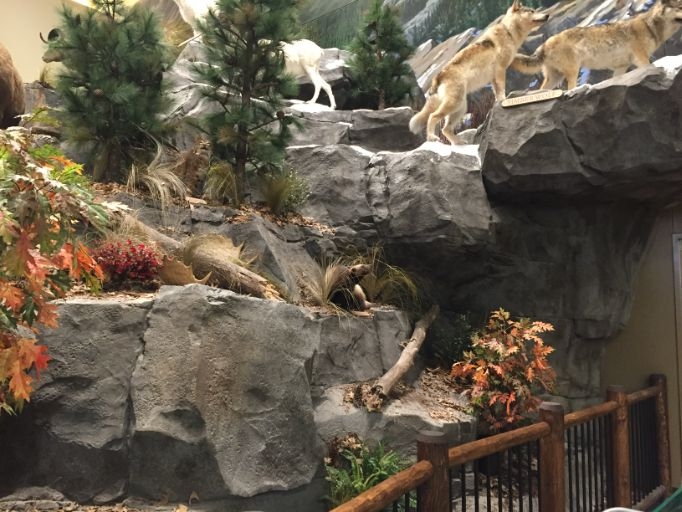
Sprayed concrete, commonly referred to as shotcrete, is a versatile and robust construction material that has gained popularity for its efficiency and effectiveness in various applications. The successful application of sprayed concrete relies not only on the techniques employed but also on the materials and equipment used. This essay explores the critical components that contribute to the effectiveness of sprayed concrete techniques.
To begin with, the primary material used in sprayed concrete is cementitious mixtures. These mixtures typically consist of cement, aggregates (such as sand or gravel), water, and sometimes additional admixtures to enhance specific properties like workability, setting time, or strength. The selection of quality materials is paramount; high-grade Portland cement ensures durability while well-graded aggregates ensure uniformity and stability within the mix.
Admixtures play a crucial role in optimizing the performance of sprayed concrete. Accelerators are often added to speed up the setting process, which is especially useful in vertical or overhead applications where quick hardening prevents sagging. Plasticizers may be included to improve workability without increasing water content, ensuring a denser and stronger final product. Silica fume can be introduced to enhance density and resistance against chemical attack.
The application of sprayed concrete requires specialized equipment designed for efficient mixing, conveying, and spraying of the concrete mixture onto surfaces. There are two primary methods: dry-mix (gunite) and wet-mix (shotcrete). Each method utilizes different equipment configurations tailored to their unique processes.
In dry-mix spraying, pre-blended dry materials are fed into a delivery hose where they are propelled by compressed air through a nozzle connected to a water supply line. As the mixture exits the nozzle, it hydrates upon contact with water before impacting the target surface. Key pieces of equipment for this method include rotary guns or gunite machines capable of maintaining consistent pressure and flow rates.
Conversely, wet-mix spraying involves premixing all ingredients including water before pumping them through hoses using piston pumps or rotor-stator pumps until they reach a nozzle equipped with an air jet that propels them toward the substrate at high velocity. Wet-mix systems generally offer better control over material consistency compared to dry-mix systems but require more sophisticated machinery such as volumetric mixers capable of producing homogenous mixes under varying conditions.
Nozzlementhe skilled operators controlling these nozzlesare indispensable assets whose expertise significantly impacts project outcomes by ensuring even coverage without voids or rebound waste while maintaining desired thicknesses across complex geometries inherent within many construction projects utilizing sprayed concretes like tunnels lining stabilization works retaining walls slope protection etcetera
Safety considerations cannot be overlooked when discussing materials/equipment used in sprayed concreted environments dust generated during operations poses respiratory hazards necessitating use appropriate personal protective equipment PPE including respirators goggles gloves additionally proper ventilation systems must implemented alongside regular maintenance checks ensuring all machinery operates optimally reducing risk breakdowns accidents
In conclusion success any given project employing spray-concrete techniques hinges upon meticulous selection deployment suitable materials coupled utilization advanced reliable apparatuses combined proficiency trained personnel together these elements enable realization durable resilient structures meeting demanding specifications modern construction industry
Creating artificial rock features is an art form that merges the realms of geology, architecture, and construction. Among various techniques employed in this craft, sprayed concrete stands out for its versatility and efficiency. Sprayed concrete, also known as shotcrete or gunite, has revolutionized the way we approach the creation of artificial rock features, offering unparalleled advantages in terms of strength, durability, and aesthetics.
Sprayed concrete involves projecting a mixture of cement, sand, water, and aggregate at high velocity onto a surface. This process can be executed using either the dry-mix or wet-mix method. In the dry-mix method, pre-blended dry materials are conveyed through a hose to the nozzle where water is added just before application. The wet-mix method mixes all components including water prior to being pumped through the hose to the nozzle. Both methods have their unique advantages; however, they share common benefits when it comes to forming artificial rock structures.
One of the primary reasons why sprayed concrete is favored for creating artificial rock features is its ability to conform to complex shapes and contours with ease. When sculpting rocks meant to mimic natural formations found in nature parks or themed environments like zoos and amusement parks, achieving realism is paramount. Unlike traditional casting techniques that may require extensive mold-making and result in awkward seams or unnatural lines, sprayed concrete can be precisely applied by skilled artisans who shape it by hand as it sets.
The textural flexibility offered by sprayed concrete further enhances its appeal for creating realistic rocky landscapes. With this technique, artists can embed different textures into the surface while its still pliablewhether it's simulating jagged cliff faces or smoother riverbed stones. Additionally, color additives can be mixed directly into the sprayable material or applied post-curing via stains and paints to achieve lifelike hues and patinas.
Durability is another critical aspect where sprayed concrete excels over other materials such as fiberglass or polyurethane foams often used for faux rocks. Once cured, shotcrete forms a dense matrix that exhibits high compressive strength akin to natural stone but without susceptibility to weathering elements like UV radiation or moisture infiltration which degrade synthetic alternatives over time.
Another notable advantage lies in its structural integrity which allows for larger-scale installations without compromising safety standardsa crucial consideration especially within public spaces frequented by visitors who might climb on these formations inadvertently (or purposefully). Reinforcement techniques such as embedding steel rebar meshes within layers further bolster stability ensuring longevity even under heavy loads or impact stresses typically experienced during interactive use cases.
Environmental sustainability also plays an increasingly important role today; hence using locally sourced raw materials minimizes carbon footprint associated with transportation whilst contributing towards eco-friendly credentials compared against imported synthetic products predominantly manufactured overseas involving higher emissions throughout production cycles till final delivery stages here domestically too besides economic incentives favor local economies generating employment opportunities regionally thereby fostering community development initiatives concurrently supporting greener planet endeavors collectively driving positive change sustainably forward holistically benefiting society at large ultimately fulfilling broader objectives envisaged globally aligned harmoniously together synergistically progressing shared visions universally aspired across board transcending boundaries unifying humanity toward better future envisioned inclusively realizing aspirations coherently integrating seamlessly transforming realities ingeniously progressively propelling advancements innovatively responsibly conscientiously preserving conserving protecting nurturing enriching environment intrinsically interconnecting symbiotically coexisting flourishing thriving vibrantly indefinitely eternally perpetuating legacies generations forthcoming cherish inheriting pristinely timelessly everlastingly enduring wondrously magnificently splendidly beautifully naturally gracefully harmoniously blissfully serendipitously joyously abundantly blessed phenomen
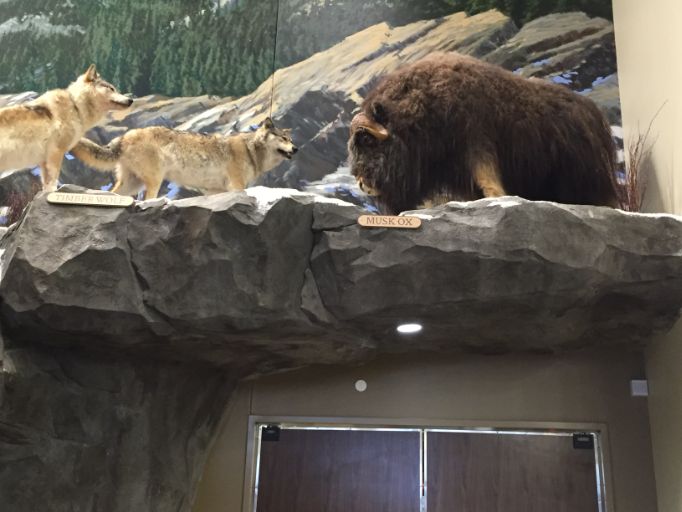
In the evolving world of landscape design, artificial rock contractors play a pivotal role in transforming ordinary outdoor spaces into extraordinary havens of beauty and functionality.. As masters of their craft, these professionals combine artistic vision with technical expertise to create stunning replicas of natural rock formations that are often indistinguishable from the real thing.
Posted by on 2024-07-27
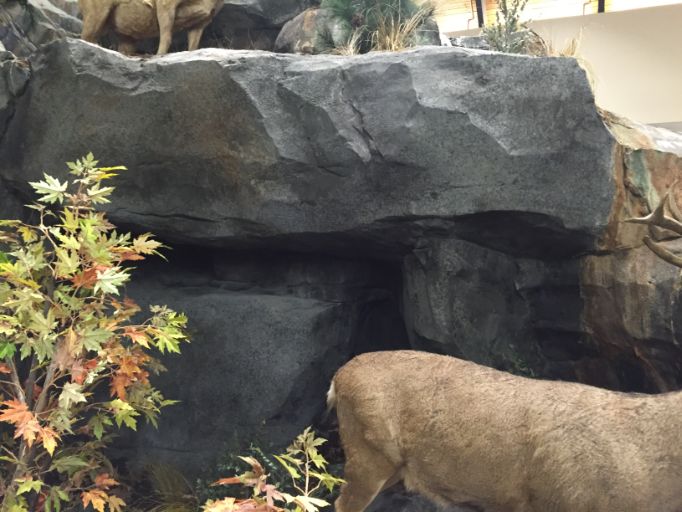
Creating artificial rocks might sound like a task best left to Mother Nature, but in reality, it's an intricate process executed by professional contractors with the utmost precision and creativity.. These fabricated stones serve various purposes—from enhancing landscape designs to providing functional elements in theme parks, zoos, and aquariums.
Posted by on 2024-07-27
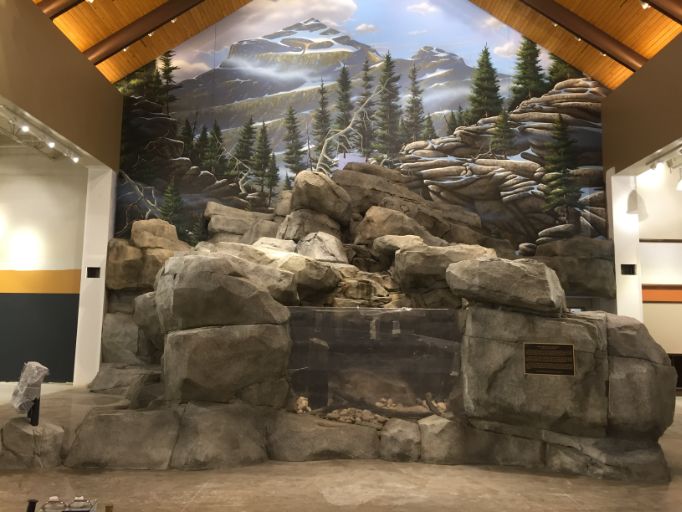
Hiring an artificial rock contractor for your project is a multifaceted process that involves careful consideration and meticulous planning.. Whether you are aiming to enhance the aesthetics of your backyard, create a unique water feature, or construct a themed environment for commercial purposes, selecting the right professional is crucial to achieving your vision.
Posted by on 2024-07-27
Sprayed concrete, also known as shotcrete, has revolutionized the field of artificial rock construction. This technique involves pneumatically projecting a mix of cement, aggregate, and water onto surfaces at high velocity. The rapid application and versatility of sprayed concrete offer several compelling advantages that make it a preferred choice for constructing artificial rock formations.
One of the primary benefits is its remarkable efficiency. Traditional methods of rock construction are labor-intensive and time-consuming, often requiring extensive formwork and manual application processes. Sprayed concrete eliminates much of this cumbersome preparation work. By using specialized equipment to project the concrete mixture directly onto surfaces, large areas can be covered quickly, significantly reducing project timelines. This efficiency not only speeds up construction but also translates into cost savings on labor and materials.
Another significant advantage is the superior bonding capability of sprayed concrete. When applied under high pressure, the concrete adheres tightly to various substrates including metal frameworks or existing rock structures. This strong bond ensures structural integrity and longevity, which is particularly important in environments subject to dynamic loads or harsh weather conditions. Additionally, because sprayed concrete can be layered in successive passes without waiting for preceding layers to set completely, it allows for seamless repairs and modifications.
The flexibility offered by sprayed concrete techniques cannot be overstated. The material can be sculpted easily into intricate shapes and textures that mimic natural rock formations with impressive realism. Artists and engineers can create complex designs that would be challenging or impossible with conventional poured or block methods. This artistic freedom is invaluable in projects where aesthetic considerations are paramountsuch as theme parks, zoos, or landscaping featuresallowing for a more natural appearance that enhances visual appeal.
Durability is another key advantage of using sprayed concrete in artificial rock construction. The densely packed nature of the material when applied via spraying results in fewer pores within the structure compared to traditional hand-applied methods. This density improves resistance to environmental factors such as freeze-thaw cycles, chemical exposure from de-icing salts or chlorinated pool water, and general wear over time.
Moreover, sprayed concrete's adaptability extends beyond mere form; it encompasses performance characteristics tailored to specific needs through admixtures and reinforcements like fibers or mesh grids embedded during application processs.This customization makes it possible to achieve desired levels strength,toughness,and even color uniformity meeting precise engineering specifications while retaining organic aesthetics
In conclusion,sprayedconcreteoffers multiple advantagesforartificialrockconstructionincludingefficiency,strongbondingcapabilitiesflexibilityinformationsculptureandremarkabledurability.Thecombinationofthesefeaturesmakesitsuperiorchoiceovertraditionalmethodsprovidingcosteffectiveaestheticlypleasingdurableoutcomesforeverythingfromthemeparkstoarchitecturalprojectswherevernaturalappearanceisdesired
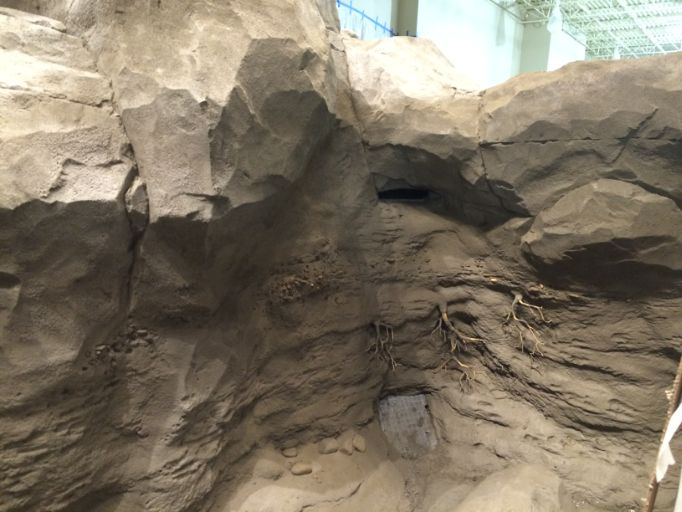
Case Studies: Successful Projects by Artificial Rock Contractors Using Sprayed Concrete Techniques
In the realm of modern construction, few methodologies demonstrate as much versatility and efficiency as sprayed concrete techniques. Also known as shotcrete or gunite, this method has transformed the landscape of artificial rock construction, enabling contractors to undertake ambitious projects with precision and speed. The following case studies highlight some of the most successful projects executed by artificial rock contractors utilizing these innovative techniques.
One exemplary project is the creation of a stunning artificial waterfall at a luxury resort. This endeavor required the seamless integration of natural aesthetics with robust engineering. The contractors began by sculpting a basic framework using rebar and wire mesh to define the shape of the waterfall. Once this skeleton was in place, they applied layers of sprayed concrete, allowing for swift coverage over complex contours while ensuring structural integrity. The flexibility of sprayed concrete enabled artisans to carve intricate details into the surface before it fully set, mimicking the organic textures found in nature.
Another notable example is an expansive zoo exhibit designed to replicate a rocky cliff habitat for mountain goats. This project posed unique challenges due to its large scale and the need for durability against animal interaction. Contractors employed high-strength sprayed concrete to build up substantial thicknesses quickly, reducing labor time significantly compared to traditional hand-applied methods. Furthermore, additives were incorporated into the mix to enhance durability and resistance to weatheringessential qualities given both exposure elements and animal activity.
A third case study worth mentioning involves urban landscaping within a city park aimed at providing residents with a natural retreat amidst skyscrapers. Here, artificial rock formations served dual purposes: aesthetic enhancement and functional erosion control along walking paths beside water features. By using sprayed concrete techniques, contractors could efficiently cover large areas with minimal disruption to park activities. They managed not only to recreate visually striking rock formations but also fortified them against potential erosion caused by foot traffic and flowing water.
These projects underscore several key advantages inherent in sprayed concrete techniques when applied by skilled artificial rock contractors:
1. **Efficiency**: Traditional rock-building methods can be labor-intensive and time-consuming; however, spraying allows rapid application even on complex surfaces.
2. **Versatility**: From delicate decorative elements like waterfalls to rugged structural forms such as cliffsides or retaining walls, sprayed concrete adapts easily.
3. **Durability**: Modern advancements in material science ensure that mixtures can be tailored for specific environmental conditionswhether resisting freeze-thaw cycles or maintaining integrity under constant wear.
4. **Aesthetic Precision**: Skilled artisans can manipulate wet concrete before it hardens completely, crafting detailed finishes that closely resemble natural stone formations.
The success stories presented here illustrate how effectively sprayed concrete techniques meet diverse demands across different environmentsfrom luxurious resorts seeking tranquility-inducing waterfalls to zoos requiring safe yet realistic habitats for wildlifeand urban parks balancing beauty with practicality.
As technology continues evolving within construction disciplines broadly speaking (and specifically within niche applications like artificial rock structures), there's every reason expect further innovation enhancing capabilities available through spray-on solutions moving forward years ahead us now today!
Sprayed concrete, commonly referred to as shotcrete, is a favored technique in the construction of artificial rocks due to its adaptability and strength. This method allows for the efficient creation of complex shapes and textures that mimic natural rock formations. However, despite its benefits, there are significant challenges associated with using sprayed concrete for this purpose. Addressing these challenges requires innovative solutions to ensure both the structural integrity and aesthetic quality of the artificial rocks.
One primary challenge is achieving a realistic texture that accurately replicates natural rock surfaces. Natural rocks possess intricate patterns and irregularities that are difficult to reproduce with sprayed concrete alone. To overcome this, artisans often employ additional techniques such as hand-sculpting or using molds taken from actual rock surfaces. These methods enhance the authenticity of the final product but require skilled labor and can be time-consuming.
Another issue is ensuring proper adhesion of the sprayed concrete to various substrates. When constructing large-scale artificial rock structures, it is crucial that the shotcrete bonds effectively to underlying frameworks made from materials like rebar or mesh. Poor adhesion can lead to cracking or delamination over time, compromising both safety and aesthetics. To mitigate this risk, surface preparation is key; cleaning and roughening substrates before application can significantly improve bonding. Additionally, using high-quality bonding agents specifically designed for shotcrete applications can further enhance adhesion.
Environmental factors also pose considerable challenges during the application process. Temperature fluctuations, humidity levels, and wind conditions can all impact the consistency and curing rate of sprayed concrete. For instance, low temperatures may slow down curing times while high temperatures could cause rapid drying, leading to cracks or weakened structures. To address these issues, its essential to monitor weather conditions closely and adjust mixture formulations accordingly. Using accelerators or retarders in the mix can help control setting times based on environmental needs.
Moreover, health and safety concerns cannot be overlooked when dealing with sprayed concrete for artificial rocks. The process generates dust and involves handling potentially hazardous materials which pose risks to workers' respiratory health if adequate precautions arent taken. Ensuring proper ventilation at worksites along with providing personal protective equipment (PPE) like masks and goggles helps mitigate these risks significantly.
Finally, cost considerations play a pivotal role in determining project feasibility since creating lifelike artificial rocks using sprayed concrete isnt inexpensive by any meansboth material costs itself along labor-intensive sculpting processes add up quickly making budget management critical throughout entire project lifecycle.. Employing efficient project planning alongside seeking bulk purchasing deals wherever possible goes long way towards keeping expenses under control without sacrificing quality end result expected client satisfaction standpoint overall success rate respective projects undertaken utilizing spray-concreted artificial rock formations industry today truly remarkable testament ingenuity resilience construction professionals continuously adapting evolving landscape modern architecture design demands present future alike
In conclusion overcoming manifold obstacles inherent incorporation spraying techniques constructing durable aesthetically pleasing faux-rock features necessitates combination artistic technical expertise well-thought-out strategies addressing diverse variables affecting outcomes positively ultimately underscoring importance continued innovation practice field moving forward
Sprayed concrete, also known as shotcrete, has revolutionized the construction industry with its versatile applications and rapid installation times. The maintenance and durability of sprayed concrete structures are paramount to ensuring their long-term performance and structural integrity. This essay explores the key aspects that contribute to the longevity and upkeep of these innovative constructions.
One of the primary advantages of sprayed concrete is its ability to create a monolithic structure without joints, which significantly reduces potential weak points where cracks or other forms of deterioration can initiate. However, despite this advantage, meticulous attention must still be paid to mix design, application techniques, and curing processes to maximize durability.
The mix design for sprayed concrete plays a crucial role in determining its durability. A well-proportioned blend of cement, aggregates, water, and admixtures enhances the mechanical properties such as compressive strength and resistance to environmental factors like freeze-thaw cycles or chemical attack. Incorporating supplementary cementitious materials like fly ash or silica fume can further improve durability by reducing permeability and enhancing resistance to sulfate attacks.
Application techniques are equally critical in ensuring the longevity of sprayed concrete structures. Proper nozzle handling and control during spraying ensure uniform compaction and adhesion to surfaces, minimizing voids that could harbor moisture or lead to future degradation. Skilled operators are essential in maintaining consistent quality throughout the application process. The use of advanced equipment such as robotic spray arms can also enhance precision and coverage while reducing human error.
Curing is another vital aspect that cannot be overlooked when discussing the maintenance and durability of sprayed concrete structures. Adequate curing ensures proper hydration of cement particles, leading to optimal strength development and reduced shrinkage cracking. Methods such as wet curing with water sprays or curing compounds help maintain appropriate moisture levels during the initial stages after application.
Despite best practices in mix design, application techniques, and curing methods, regular maintenance remains essential for preserving the integrity of sprayed concrete structures over time. Routine inspections should be conducted to identify any signs of distress such as cracking, spalling, or corrosion-induced damage due to reinforcement exposure. Prompt repair measures using compatible materials can prevent minor issues from escalating into significant structural problems.
Environmental factors also play a significant role in determining how well-sprayed concrete structures endure over time. Exposure conditions such as aggressive chemicals in industrial settings or marine environments necessitate additional protective measures like surface coatings or sealants that act as barriers against harmful agents penetrating into the matrix.
In conclusion, ensuring the maintenance and durability of sprayed concrete structures requires a holistic approach encompassing careful mix design selection tailored for specific project needs; precise application techniques executed by skilled professionals; adequate curing practices promoting optimal strength development; routine inspections accompanied by timely repairs; along with consideration towards mitigating adverse environmental impacts through protective treatments if necessary.
By adhering rigorouslyto these guidelines ,the lifespanofsprayedconcretestructurescanbeconsiderablyextended,resultinginsafe,reliable,andcost-effectiveconstructionsolutionsformoderninfrastructuredevelopmentneeds
Sprayed concrete, also known as shotcrete or gunite, has long been a cornerstone in the construction and landscaping industries for its versatility and efficiency. This method involves propelling a mixture of cement, aggregates, and water through a hose at high velocity onto a surface. Over the years, sprayed concrete technology has evolved significantly, enabling more intricate and durable applications. One particularly fascinating use is in artificial rock formations for theme parks, zoos, aquariums, and even residential landscapes. As we look towards the future, several trends are emerging that promise to revolutionize this niche application.
Firstly, advancements in material science are set to play a critical role. Traditional sprayed concrete mixtures may soon be supplemented with novel additives such as polymer fibers or nanomaterials that enhance strength, flexibility, and durability. These enhancements will make artificial rocks not only more resilient but also capable of mimicking natural rock textures with unprecedented fidelity. Moreover, eco-friendly materials are expected to gain traction as sustainability becomes an ever-greater concern. Recycled aggregates and low-carbon cements could reduce the environmental footprint of these projects.
Automation is another transformative trend on the horizon. Robotics and drones equipped with advanced spraying mechanisms could take over labor-intensive tasks currently performed manually by skilled workers. With high-precision sensors and intelligent control systems, these robotic sprayers can ensure uniform coverage and optimal mix consistency while reducing waste material. The use of drones could further facilitate access to hard-to-reach areas that would otherwise pose significant challenges during construction.
3D printing technology is also making waves in the world of sprayed concrete for artificial rock applications. By integrating 3D printing techniques with traditional spray methods, its possible to create highly detailed molds or frameworks which can then be coated with sprayed concrete layers. This hybrid approach allows for greater customization and complexity in designs while maintaining structural integrity.
In addition to technological innovations within the field itself, interdisciplinary collaboration is likely to shape future trends significantly. Architects working closely with engineers specializing in geotechnical studies can develop more realistic art installations that blend seamlessly into their surroundings while ensuring stability and safety standards are met.
Moreover, digital tools such as virtual reality (VR) and augmented reality (AR) offer exciting possibilities for design visualization before actual implementation begins on-site; clients can "walk through" proposed landscapes featuring artificial rocks created using these immersive technologiesmaking adjustments based on real-time feedback much easier than ever before!
Furthermorethe integration between Building Information Modeling (BIM) platforms & sophisticated simulation software allows predictive analysis regarding how structures behave under various conditionsthereby optimizing performance parameters early stages development cycle itself!
Lastlyits worth mentioning growing importance training certification programs offered industry professionals involved handling equipment mixing formulations intricacies related application processes thus ensuring quality craftsmanship across board terms both aesthetics functionality aspects alike!
In conclusionthe future holds tremendous potential when comes advancing realm Sprayed Concrete Technology Artificial Rock Applications driven combination innovative materials automation robotics alongside collaborative efforts among experts diverse fields ultimately paving way towards creating awe-inspiring yet sustainable environments leave lasting impressions generations come!