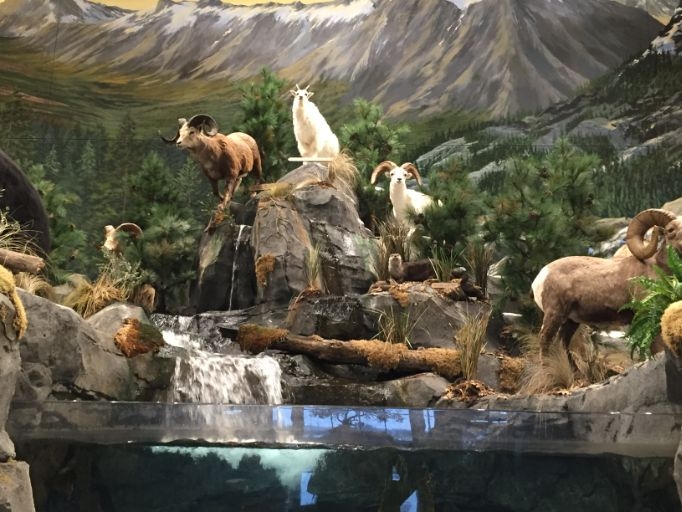
Artificial rock construction is a fascinating field that merges engineering, artistry, and material science to create structures that mimic natural stone. These fabricated rocks are used in a variety of applications, from landscaping and park design to climbing walls and aquarium settings. Behind the seemingly simple appearance of these faux stones lies an array of commonly used materials that contribute to their durability, aesthetics, and functionality.
One of the primary materials employed in artificial rock creation is concrete. Concrete's versatility makes it an ideal candidate for this purpose. By adjusting the mix of cement, sand, aggregate, and water, creators can achieve different textures and strengths to suit specific needs. Additionally, concrete can be tinted with various pigments to replicate the diverse color palette found in natural rocks. In some advanced applications, fiber-reinforced concrete is used to enhance structural integrity while allowing for thinner sections without compromising strength.
Polyurethane foam is another vital material frequently utilized in artificial rock construction. Known for its lightweight properties and ease of manipulation, polyurethane foam serves as an excellent core or base structure over which more durable layers are applied. This foam can be carved into intricate shapes and then coated with harder substances like epoxy or fiberglass resin to ensure longevity and resistance to environmental factors such as moisture and UV radiation.
Epoxy resins play a crucial role in finishing artificial rocks by providing a hard-wearing outer shell that protects against weathering and physical damage. The application of epoxy not only enhances durability but also allows for fine detailing that mimics the texture of real stone surfaces. When combined with pigment powders or stains during the mixing process, epoxy coatings can further blend artificial creations seamlessly into natural landscapes.
Fiberglass is another noteworthy material often incorporated into artificial rock projects because of its impressive strength-to-weight ratio. Sheets or strands of fiberglass are embedded within resin matrices to form robust shells around foam cores or other substrates. This combination results in highly durable yet relatively lightweight constructs that are easier to transport and install compared to solid stone counterparts.
In some cases where extreme realism is desired, artists may turn towards using latex molds taken directly from natural rocks. These molds capture every nuance of texture present on genuine stones' surfacesdown to the smallest creviceand allow them faithfully reproduced onto poured casting mediums like plaster or high-strength gypsum cement blends known for their excellent detail retention capabilities once set.
Finallybut by no means exhaustivelythe integration between traditional craftsmanship techniques alongside digital tools has significantly expanded possibilities within this domain lately too; CNC routers guided via computer-aided design (CAD) software enable precise carving out complex forms whether starting wooden templates later coated multiple layers above-mentioned compounds yielding stunningly lifelike outcomes otherwise unattainable manually alone before recent technological advancements arrived scene thus opening entirely new frontiers previously unimagined even few decades back potentially revolutionizing industry future ahead!
In conclusion: creating convincing artificial rocks involves harmonizing numerous varied yet complementary materials each bringing unique properties table ensuring final product not merely visually appealing but practically functional long-lasting addition setting intended enhance ultimately testament human ingenuity bridging gap between nature technology ever-closer together ongoing quest recreate beauty surrounding us built environments daily lives!
In the realm of artificial rock construction, choosing the right material is pivotal to creating structures that not only mimic the appearance and texture of natural rock but also possess durability, strength, and versatility. Various materials are employed in this field, each bringing its unique properties and advantages to the table.
Concrete stands out as one of the most commonly used materials for artificial rock construction. Its popularity stems from several key attributes. Firstly, concrete is incredibly durable; it can withstand a wide range of weather conditions and requires minimal maintenance over time. This makes it an ideal choice for outdoor installations such as climbing walls or landscape features. Additionally, concrete can be molded into virtually any shape or form using custom molds or frameworks, allowing for high levels of creativity and realism in design. The surface finish can be textured to replicate different types of stone surfaces, further enhancing its aesthetic appeal.
Another material frequently utilized is fiberglass-reinforced plastic (FRP). FRP offers a distinct set of advantages that make it particularly suitable for certain applications. One significant benefit is its lightweight nature compared to traditional concrete. This allows for easier transportation and installation, especially in indoor settings where weight might be a concern. Despite being lightweight, FRP maintains impressive strength and resilience against impacts and environmental stressors. Moreover, FRP can be manufactured with intricate details that capture the nuances of natural rock formations, providing a highly realistic appearance.
Polyurethane foam also finds its niche in artificial rock construction primarily due to its flexibility and ease of use. Polyurethane foam can be carved and shaped with relative ease before hardening into a solid structure when treated with specific coatings or sealants. This characteristic makes it highly adaptable for custom projects where unique shapes or rapid prototyping may be necessary. Furthermore, polyurethane foam exhibits excellent thermal insulation properties which can be advantageous in particular environments where temperature regulation within the structure is essential.
Shotcrete a type of sprayed concrete offers another approach with its own set of benefits. Shotcrete allows for quick application over large surfaces without requiring extensive formwork like traditional poured concrete methods do. It adheres well to various substrates including steel frameworks or wire mesh supports often used in artificial rock construction projects to provide additional structural stability.
Each material's characteristics serve different aspects depending on project requirements: whether prioritizing durability (concrete), lightness combined with detail (FRP), adaptability (polyurethane foam), or efficiency in large-scale applications (shotcrete). Understanding these diverse properties enables designers and builders within this specialized field not only achieve desired visual effects but also ensure functional longevity tailored precisely according their specific needs
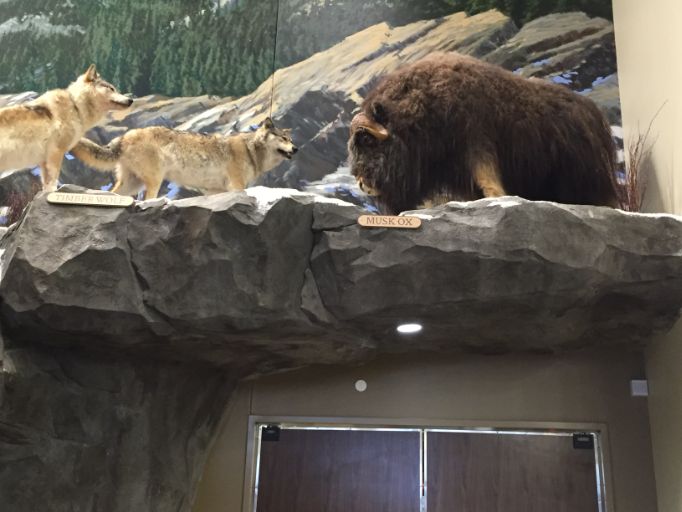
In the evolving world of landscape design, artificial rock contractors play a pivotal role in transforming ordinary outdoor spaces into extraordinary havens of beauty and functionality.. As masters of their craft, these professionals combine artistic vision with technical expertise to create stunning replicas of natural rock formations that are often indistinguishable from the real thing.
Posted by on 2024-07-27
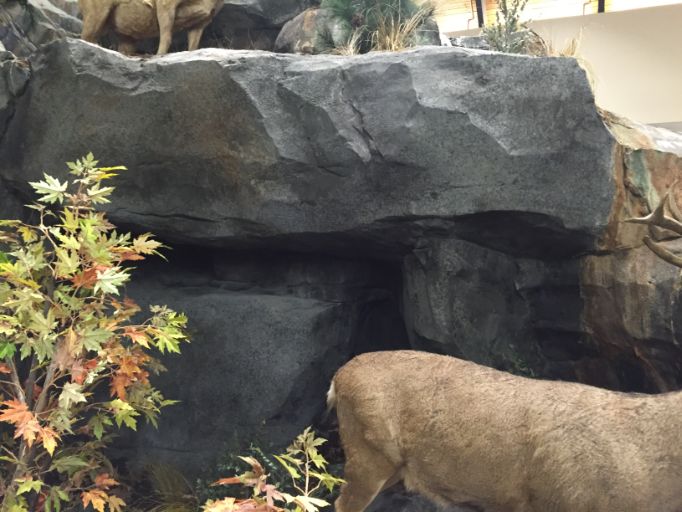
Creating artificial rocks might sound like a task best left to Mother Nature, but in reality, it's an intricate process executed by professional contractors with the utmost precision and creativity.. These fabricated stones serve various purposes—from enhancing landscape designs to providing functional elements in theme parks, zoos, and aquariums.
Posted by on 2024-07-27
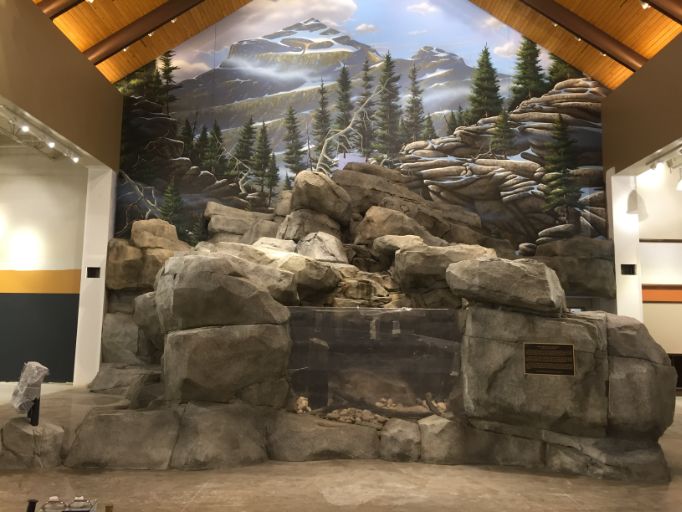
Hiring an artificial rock contractor for your project is a multifaceted process that involves careful consideration and meticulous planning.. Whether you are aiming to enhance the aesthetics of your backyard, create a unique water feature, or construct a themed environment for commercial purposes, selecting the right professional is crucial to achieving your vision.
Posted by on 2024-07-27
Selecting the right material for artificial rock construction is a crucial step that can significantly impact the durability, aesthetics, and functionality of the final product. The process involves a careful consideration of various factors including appearance, structural integrity, environmental conditions, and cost-effectiveness. This essay delves into the techniques used to choose appropriate materials for constructing artificial rocks.
One of the primary considerations in selecting materials is aesthetic appeal. Artificial rocks are often used in landscaping projects, theme parks, zoos, and aquariums where natural appearance is paramount. To achieve a realistic look, materials such as fiberglass-reinforced concrete (GFRC), lightweight aggregates, and polymer-modified cement are commonly employed. These materials can be textured and colored to mimic the intricate details found in natural rock formations.
Structural integrity is another critical factor. The chosen material must withstand various stresses including weight-bearing loads if people are expected to climb or walk on these structures. Reinforced concrete is frequently selected due to its strength and versatility. When reinforced with steel bars (rebar) or mesh, it provides excellent load-bearing capabilities while maintaining flexibility during construction.
Environmental conditions also play a significant role in material selection. Outdoor installations must endure varying weather conditions such as rain, snow, extreme temperatures, and UV exposure without degrading over time. Materials like GFRC offer high resistance to weathering and erosion compared to traditional concrete. Additionally, coatings or sealants may be applied to enhance durability by providing extra protection against moisture infiltration and freeze-thaw cycles.
Cost-effectiveness cannot be overlooked when choosing materials for artificial rock construction. Budget constraints often dictate which materials can be considered viable options. While some high-performance materials might offer superior qualities, they could also come with higher price tags that outweigh their benefits for certain projects. Therefore, a balance between performance characteristics and budgetary limitations must be struck.
The ease of installation is another practical consideration during material selection. Prefabricated panels made from lightweight composites or foams coated with durable finishes can simplify the construction process by reducing labor costs and completion times compared to traditional hand-sculpted methods using heavy raw materials like stone or unreinforced concrete.
Sustainability has become an increasingly important aspect in modern construction practices including artificial rock creation projects where environmentally friendly solutions are sought after more than ever before todays era dominated by climate consciousness awareness trends globally around us all now practically every day visibly everywhere influencing decisions broadly across industries alike equally so here too essentially relevantly thus sustainable alternatives aim at minimizing ecological footprints via use recycled content within manufacturing processes wherever possible feasible suitable likewise accordingly henceforth ideally eventually leading towards greener future ultimately altogether sustainably harmoniously balanced wisely sensibly equitably justifiably naturally beautifully elegantly seamlessly perfectly fittingly appropriately comprehensively inclusively responsibly resiliently adaptively flexibly intelligently innovatively creatively resourcefully skillfully proficiently adeptly expertly masterfully excellently superbly extraordinarily fantastically wonderfully marvelously impressively magnificently splendidly gloriously outstandingly remarkably phenomenally astonishingly breathtakingly spectacular stunning marvelous magical magnificent amazing awesome brilliant fabulous terrific fantastic wonderful incredible unbelievable mind-blowing awesome wow joyous delightful happy cheerful pleased content satisfied glad blissful euphoric ecstatic elated thrilled joyful jubilant gleeful merry bright sunny radiant glowing shining sparkling twinkling glittering dazzling resplendent shimmering lustrous luminous luminescent effulgent blazing flaming blazing burning fiery incandescent luminous aglow alight ablaze radiant refulgent lucent lambent brilliant vibrant vivid intense passionate fiery ardent fervid enthusiastic zealous eager keen avid fervent fanatical dedicated
In recent years, the field of artificial rock materials has experienced significant advancements and innovations, revolutionizing various sectors including construction, landscaping, and geological simulations. As urbanization continues to accelerate globally, the demand for sustainable and versatile building materials has never been higher. Artificial rock materials have emerged as a critical solution in addressing these demands while also offering an array of aesthetic and functional benefits.
One of the most notable trends in artificial rock material development is the emphasis on sustainability. Traditional concrete and stone extraction processes are notorious for their environmental impact, often leading to habitat destruction and high carbon emissions. In contrast, modern artificial rocks are frequently engineered from recycled materials or employ eco-friendly manufacturing techniques that drastically reduce their environmental footprint. For instance, some innovative products incorporate fly ashan industrial by-productas a primary component, which not only diverts waste from landfills but also enhances the durability of the final product.
Another exciting innovation within this domain is the advent of 3D printing technology. Additive manufacturing allows for unprecedented precision in creating intricate rock formations that would be impossible or exceedingly costly with conventional methods. This technology enables architects and designers to fabricate custom shapes and textures tailored to specific project requirements without compromising structural integrity. Moreover, 3D printing can significantly cut down on material waste by utilizing only what is necessary for each unique design.
The incorporation of advanced polymers into artificial rock formulations represents another leap forward. These polymers can enhance flexibility, making it easier to mold rocks into complex forms while maintaining robustness against weathering and mechanical stress. The result is a versatile material suitable for diverse applicationsfrom decorative garden landscapes to sturdy retaining walls capable of withstanding harsh environmental conditions.
Additionally, smart materials are beginning to make their mark in artificial rock construction. These innovative substances can adapt to changing environments or external stimuli such as temperature fluctuations or moisture levels. By integrating smart materials into artificial rocks, engineers can develop structures that self-regulate their thermal properties or even change color based on surrounding conditionsoffering both practical advantages and creative possibilities.
Moreover, the trend towards modularity cannot be ignored when discussing innovations in artificial rock materials. Modular systems allow for quicker assembly times and greater scalability compared to traditional building approaches. Prefabricated segments designed with interlocking features ensure easy installation while providing robust stability once assembled on site.
Finally, aesthetics play a crucial role in driving interest toward artificial rock materials among architects and landscape designers alike. Advances in pigmentation techniques mean that these synthetic stones can now mimic virtually any type of natural rock with remarkable accuracyfrom granites speckled hues to sandstones layered texturesensuring seamless integration into any design vision without sacrificing authenticity.
In conclusion, innovations in artificial rock materials are transforming how we approach construction projects across various domains by offering sustainable alternatives alongside enhanced functionality and aesthetic appeal. Whether through recycling initiatives reducing ecological impacts or cutting-edge technologies like 3D printing enabling bespoke creationsthese advancements herald an exciting future where human ingenuity meets nature-inspired designs harmoniously.