
Hand carving artificial rocks is an art form that blends creativity with a keen understanding of materials and tools. Whether you're creating realistic garden landscapes or dramatic stage props, the process demands precision, patience, and the right set of tools and materials. Heres a closer look at the essential elements required for this intricate craft.
One of the fundamental materials in hand carving artificial rocks is high-density foam. This versatile material is easy to shape and carve, making it ideal for mimicking natural rock formations. The foam comes in various densities, which can be chosen according to the desired hardness and texture of your final product. For added realism, some artisans opt to coat the foam with layers of concrete or plaster to achieve a more rugged surface.
Another popular base material is lightweight concrete mix. This offers durability while still being manageable enough for detailed carving work. It's particularly useful for outdoor installations where weather resistance is crucial.
When it comes to tools, a sharp utility knife or hot wire cutter is indispensable for cutting through high-density foam smoothly. These tools allow you to outline your basic shape before moving on to finer details. For more intricate work, consider using sculpting knives or chisels specially designed for foam or plaster.
Rasps and files are also critical as they help refine shapes and smooth out rough edges after initial cuts have been made. A variety of grit sandpapers will come in handy during this stage too; starting with coarser grits to remove larger imperfections before moving on to finer grits for polishing surfaces.
To add authentic textures that mimic natural rock surfaces, youll need a selection of texturing tools such as sponges, brushes, and even crumpled aluminum foil. By pressing these objects into the surface of your carved piece while it's still pliable, you can create convincing rock-like patterns and irregularities.
Paints play an essential role in bringing your artificial rocks to life. Acrylic paints are favored due to their versatility and ease of use on different substrates like foam and plaster. Start with a base coat that matches your intended rock colorearthy tones like grays, browns, and tans often work bestand then layer additional shades for depth and realism.
Adhesives are another crucial component when constructing larger structures from multiple pieces or adding smaller details like moss or lichens for extra authenticity. Hot glue guns offer quick-setting solutions suitable for indoor projects while more durable options like epoxy resin might be necessary for outdoor displays exposed to varying weather conditions.
Safety should never be overlooked when engaging in any form of hand carving activities. Always wear protective gloves when handling cutting tools and eye protection when sanding or using power cutters like hot wire tools.
In summary, hand carving artificial rocks requires an array of specialized materialsfrom high-density foams and lightweight concretesto a diverse toolkit featuring everything from utility knives to fine paintbrushes. The marriage between these essential elements allows artisans not only to replicate nature but also infuse their own creative flair into each unique piece they produce.
Hand carving artificial rocks is an intricate and rewarding craft that combines artistic vision with meticulous technique. Whether used for landscaping, aquarium décor, or theater set design, these faux stones can add a natural touch to various environments. Heres a step-by-step guide to mastering the art of hand carving artificial rocks.
The first step involves planning and gathering your materials. Begin by sketching out your desired rock shape on paper. This preliminary design will serve as a blueprint throughout the process. Youll need polystyrene foam blocks as the base material, a hot wire cutter for shaping, and plaster or cement mix to create texture and durability. Dont forget protective gear like gloves and safety goggles; safety should always be paramount.
Once you have your materials ready, its time to shape the foam. Using your sketch as a guide, cut large chunks of foam into rough approximations of your rock shape with the hot wire cutter. This tool allows for precise cuts but requires careful handling due to its high temperature. Work slowly and focus on achieving an overall form before delving into finer details.
With the basic shape in place, refine your work by adding more intricate features such as crevices and ridges. Use smaller tools like knives or rasps to carve out these details carefully. Remember that natural rocks are rarely symmetrical; embrace irregularities to give your creation an authentic appearance.
Next comes texturizing the surface of your faux rock. Mix up plaster according to package instructions; some artisans prefer using cement mixes for added strength and realism. Apply this mixture over the entire surface of your carved foam structure using brushes or sponges for different textural effects. For added realism, you might press real stones or crumpled aluminum foil against the wet plaster to imprint natural patterns.
Allow adequate drying timetypically 24-48 hoursbefore proceeding further. Once fully dry, inspect every inch of your creation for any imperfections that need correcting with additional layers of plaster or simple sanding.
Now comes one of the most enjoyable parts: painting! Acrylic paints work well for this purpose due to their versatility and quick drying time. Start with base colors like grays or browns applied evenly across all surfaces using broad strokes from larger brushes or sponges again if preferred). Then use darker shades in small amounts along creases/indentations while lighter hues highlight raised areas creating depth perception within each layer painted over gradually blending seamlessly together until reaching desired coloration effect replicating genuine stone formations found outdoors naturally occurring everywhere globally including local parks backyards hiking trails etcetera!
Finally sealing everything ensures long-lasting results especially when exposed outdoor elements frequently encountered year-round weather conditions varying greatly depending region climate zones present worldwide today making essential part finishing touches involved completing overall project successfully without compromising integrity quality standards expected professional-grade workmanship achieved here too now done congratulations enjoy fruits labor effort put forth seeing tangible proof skills talents displayed proudly admired others alike sharing passion creativity endeavors undertaken personally professionally alike!
In summary hand-carving artificial rocks isnt just about mimicking natureits also about channeling ones inner artist through thoughtful design careful execution attention detail patience persistence ultimately resulting beautiful durable pieces enhancing spaces they occupy bringing joy satisfaction creators viewers beneficiaries everyone involved process start finish endless possibilities await those willing explore embrace challenge wholeheartedly genuinely passionate subject matter discussed herein above beyond limits imagination runs wild free unrestricted boundaries constraints imposed society norms conventions traditions cultures beliefs practices shared amongst humanity collectively universally timelessly forevermore amen!
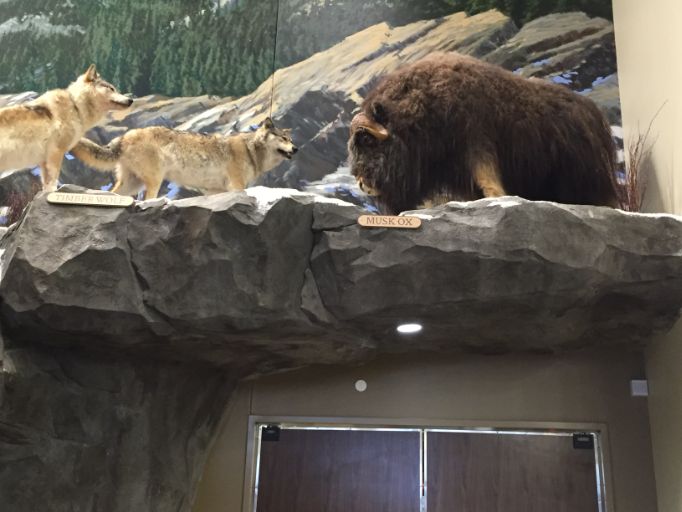
In the evolving world of landscape design, artificial rock contractors play a pivotal role in transforming ordinary outdoor spaces into extraordinary havens of beauty and functionality.. As masters of their craft, these professionals combine artistic vision with technical expertise to create stunning replicas of natural rock formations that are often indistinguishable from the real thing.
Posted by on 2024-07-27
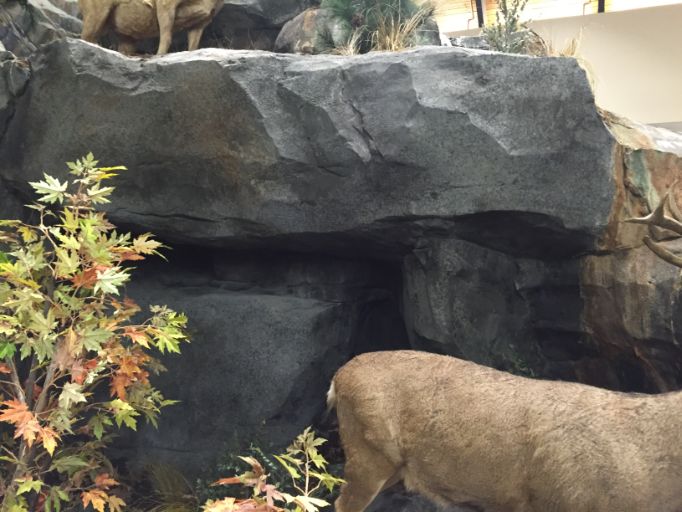
Creating artificial rocks might sound like a task best left to Mother Nature, but in reality, it's an intricate process executed by professional contractors with the utmost precision and creativity.. These fabricated stones serve various purposes—from enhancing landscape designs to providing functional elements in theme parks, zoos, and aquariums.
Posted by on 2024-07-27
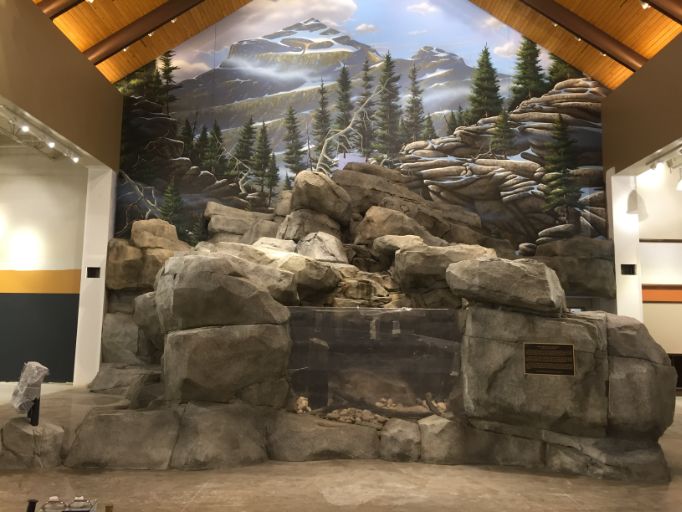
Hiring an artificial rock contractor for your project is a multifaceted process that involves careful consideration and meticulous planning.. Whether you are aiming to enhance the aesthetics of your backyard, create a unique water feature, or construct a themed environment for commercial purposes, selecting the right professional is crucial to achieving your vision.
Posted by on 2024-07-27
Hand carving, a timeless and intricate craft, offers artisans the opportunity to create stunning works of art from blocks of wood or stone. However, as with any activity involving sharp tools and physical exertion, it is paramount for hand carvers to prioritize safety measures and precautions. Creating a safe environment not only protects the carver but also ensures that the artistic process remains enjoyable and productive.
One of the foundational aspects of safety in hand carving is proper tool maintenance. Sharp tools are essential; dull blades require more force to cut through material, increasing the risk of slips and accidents. Regularly sharpening chisels, gouges, and knives keeps them in optimal condition. Additionally, inspecting tools for any signs of damage or wear ensures they function correctly and safely.
Another crucial safety measure is wearing appropriate personal protective equipment (PPE). Carving often produces flying debris such as wood chips or dust that can cause injury if they come into contact with sensitive areas like the eyes. Safety goggles are indispensable in protecting your vision from such hazards. Similarly, gloves made specifically for carving can provide a better grip on tools while offering protection against accidental cuts.
The workspace itself plays a significant role in ensuring safety during hand carving sessions. A well-lit area allows carvers to see their work clearly, reducing the likelihood of mistakes caused by poor visibility. Keeping the workspace organized minimizes clutter that could lead to trips or falls. Additionally, securing materials properly before starting helps prevent them from moving unexpectedly while being worked on.
Good posture and ergonomic practices should not be overlooked either. Hand carving often involves repetitive movements that can strain muscles over time. Ensuring you have a comfortable seating position with adequate back support can alleviate some of this strain. Taking regular breaks to stretch and relax also helps maintain physical well-being during long carving sessions.
Understanding proper technique is another layer of precautionary practice crucial for avoiding injuries. Carvers should always carve away from their bodies rather than towards them to minimize the risk of cutting themselves accidentally. Learning how to control each tool effectively through practice reduces mishaps caused by improper handling.
Lastly, its important for hand carvers to remain mindful throughout their work processstaying focused on each movement without allowing distractions to compromise attention. Whether it's listening attentively during instructional demonstrations or maintaining concentration when working alone at home, mindfulness significantly decreases accident risks.
In summary, adopting comprehensive safety measures transforms hand carving from a potentially hazardous activity into an enriching pursuit where creativity flourishes unhindered by avoidable dangers: maintaining sharp tools; using PPE; organizing ones workspace; practicing good ergonomics; mastering correct techniquesand staying mindfulall contribute towards creating safer conditions under which beautiful carvings come alive effortlessly yet securely within skilled hands' embrace!
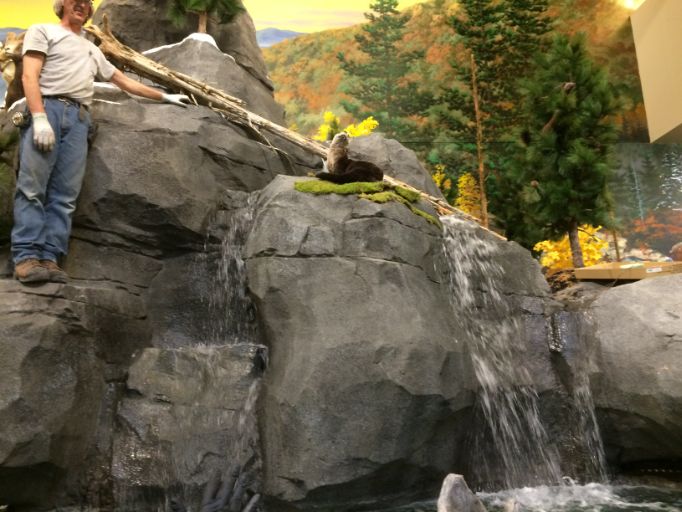
Hand carving is an intricate and rewarding art form that has been practiced for centuries. However, like any skillful craft, it comes with its own set of challenges and potential pitfalls. Whether you're a beginner or have some experience under your belt, understanding common mistakes to avoid can save you time, frustration, and material. Here are some key errors to steer clear of during the hand carving process.
First and foremost, one of the most frequent mistakes is neglecting proper tool maintenance. Sharp tools are essential for effective hand carving; dull blades not only make the work more laborious but also increase the risk of accidents. Regularly sharpening your tools ensures clean cuts and greater control over your workpiece. Additionally, maintaining your tools in good condition extends their lifespan and enhances their performance.
Another common error is choosing inappropriate wood for your project. Not all woods are created equal when it comes to carving; hardwoods like oak can be challenging for beginners due to their density, while softer woods such as basswood or pine are more forgiving. It's important to match the wood type with your skill level and project requirements to achieve optimal results.
Improper planning is another pitfall that can derail even the most enthusiastic carvers. Starting a project without a clear design or plan often leads to mistakes that could have been avoided with a bit more foresight. Take time to sketch out your ideas and consider the dimensions carefully before you begin cutting into your woodblock. Detailed plans act as a roadmap guiding you through each stage of the carving process.
Rushing through projects is yet another trap many carvers fall into, particularly those eager to see immediate results. Patience is crucial in hand carving; rushing increases the likelihood of making errors that compromise both safety and quality. Slow down, take breaks if needed, and pay close attention to every cut this meticulous approach will yield far better outcomes.
Incorrect handling techniques also contribute significantly to mishaps in hand carving. It's vital to learn how to hold both your tools and workpieces correctly because improper grip can lead not only to inaccurate cuts but also serious injuries. Make sure you're using clamps or vises when necessary so both hands remain free one guiding the tool while the other steadies it.
Lastly, overlooking safety precautions is perhaps one of the gravest mistakes any carver can make. Always use protective gear such as gloves designed specifically for woodworking (to prevent cuts) and goggles (to protect your eyes from flying debris). Ensure adequate ventilation if you're working indoors since sawdust poses respiratory hazards over prolonged exposure.
In conclusion, mastering hand carving requires dedication along with mindful avoidance of these common mistakes: neglecting tool maintenance; selecting unsuitable wood types; skipping detailed planning phases; rushing through tasks; adopting incorrect handling techniques; ignoring essential safety measures altogether each represents significant barriers on path towards achieving artistic excellence within this traditional craft domain! By being aware these potential pitfalls upfront taking steps mitigate them proactively - resulting creations will undoubtedly reflect higher levels skill craftsmanship overall!
Hand-carving techniques have long been revered for their ability to transform raw materials into intricate and evocative forms. Among the many artifacts born from these meticulous methods, hand-carved artificial rocks stand as testament to both artistic prowess and cultural heritage. However, the beauty of these creations is not solely a product of the initial carving process; it also hinges on diligent maintenance and preservation practices that ensure their longevity for future generations.
The journey of maintaining hand-carved artificial rocks begins with an understanding of the materials used. Unlike natural stones, artificial rocks are often composed of composite materials such as concrete, resin, or fiberglass. These substances offer enhanced versatility in shaping and detailing but come with unique challenges related to weathering and aging. Regular inspections are imperative to identify early signs of deterioration such as cracks, discoloration, or surface wear.
Cleaning is a fundamental aspect of rock preservation. For artificial rocks, gentle cleaning methods are paramount to avoid damaging delicate carvings. A soft-bristle brush combined with mild soap and water typically suffices for removing dirt and debris without compromising the integrity of the artwork. High-pressure washing should be avoided as it can erode fine details and weaken structural components over time.
Environmental factors play a significant role in the degradation of hand-carved artificial rocks. Exposure to ultraviolet (UV) light can cause fading and material breakdown, especially in resins or painted surfaces. Applying UV-resistant sealants provides a protective barrier against harmful rays while enhancing color retention. Similarly, moisture infiltration can lead to internal damage through freeze-thaw cycles or promote mold growth in humid conditions. Water-repellent coatings help mitigate these risks by preventing moisture absorption.
Physical protection measures also contribute significantly to preservation efforts. Positioning hand-carved artificial rocks away from high-traffic areas minimizes accidental impacts that could chip or fracture delicate details. If relocation is necessary for conservation purposes, employing proper lifting techniques ensures that no undue stress is applied to vulnerable sections during transport.
Furthermore, restoration may occasionally be required when preventive measures fall short or unforeseen damage occurs. Restoration involves meticulously recreating lost elements using compatible materials and tools identicalor at least similarto those originally employed by artisans. This process demands not only technical skill but also a deep respect for the original artist's vision.
Education plays an indispensable role in sustaining maintenance efforts over time. By raising awareness about proper care techniques among owners and custodians of these artworks, we create stewards who understand the value of regular upkeep in preserving cultural legacies embodied within each piece.
In conclusion, maintaining and preserving hand-carved artificial rocks extends beyond mere aesthetic appreciation; it fosters continuity between past craftsmanship traditions and contemporary stewardship responsibilities. Through attentive care practicesranging from routine cleanings to sophisticated restorationswe honor both the artisans' dedication embedded within every stroke chiseled into formwork blocks centuries ago up till today's innovations ensuring our collective heritage endures undiminished across ages yet unborn.
Hand carving is a timeless craft that requires both skill and patience. It is an art form where the carvers dexterity transforms raw materials into intricate and beautiful objects. Throughout history, skilled hand carvers have created masterpieces that not only showcase their technical prowess but also tell stories and preserve cultural heritage. In this essay, we will explore several case studies of successful projects by skilled hand carvers, delving into the techniques they employed to achieve their stunning results.
One exemplary project is the restoration of the Westminster Abbey Choir Stalls in London. This undertaking required precise craftsmanship to repair and replicate Gothic wooden carvings originally crafted in the 14th century. The restoration team, composed of expert woodcarvers, utilized traditional techniques such as chip carving and relief carving. They meticulously studied historical documentation and existing fragments to ensure accuracy. By using chisels with varying blade shapes, they were able to recreate intricate floral patterns and figures that seamlessly blended with the original work.
Another remarkable project is the creation of a life-sized marble statue by Italian sculptor Lorenzo Bartolini in the early 19th century. Bartolini was known for his ability to capture lifelike detail in stone. His technique involved initially roughing out the basic shape with a point chisel before refining it with toothed chisels and rasps for more detailed textures like hair or fabric folds. Finally, he would polish certain areas to create contrast between smooth skin surfaces and rougher textures elsewhere on the statue.
A more contemporary example can be found in Japanese netsuke carvings small toggle-like sculptures traditionally used to secure pouches on kimono sashes during Edo-period Japan. Modern netsuke artist Ryushi Komada continues this tradition with innovative designs while adhering strictly to ancient methods passed down through generations. Komada employs tools like gouges and knives made from high-quality steel tempered specifically for fine-detail work on ivory or boxwood materials.
These case studies highlight different facets of hand carving across various mediumsfrom wood to stone to ivoryillustrating how each material demands its own unique set of skills and tools. What unites these projects is not just their technical excellence but also a deep respect for tradition coupled with creative innovation.
In conclusion, successful projects by skilled hand carvers are testaments to both individual talent and collective heritage within this enduring art form. Whether restoring historic artifacts or creating new works inspired by age-old traditions, these artisans demonstrate that mastery over ones craft involves an ongoing dialogue between past techniques and present-day creativity.