The Importance of Realistic Finishing for Artificial Rocks: Coloring and Detailing Methods
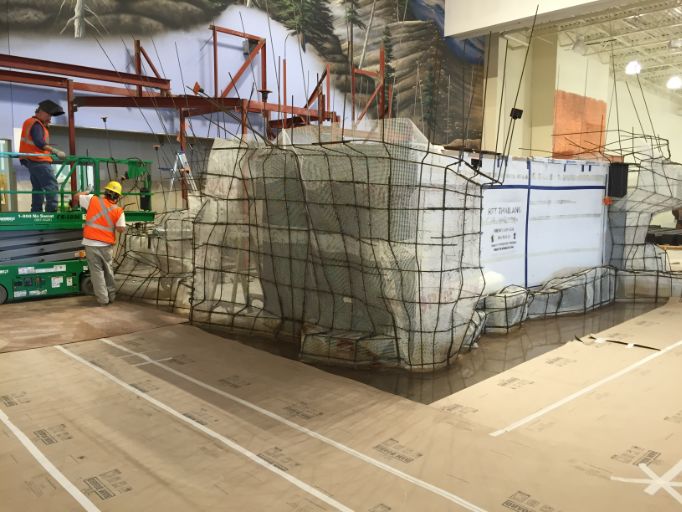
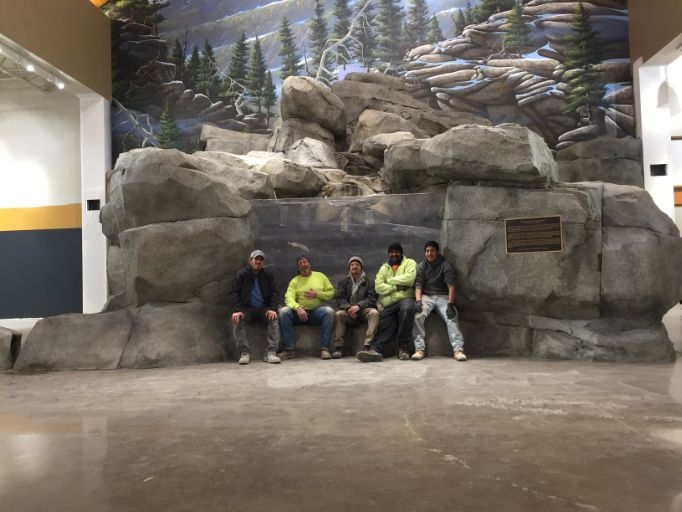
Creating artificial rocks that mimic the beauty of natural stone is an art form in itself. Whether used in landscaping, aquariums, theme parks, or theatrical sets, these fabricated formations serve as significant visual elements that enhance the environment they inhabit. The finishing touchesespecially coloring and detailingare crucial to achieving a realistic appearance that convinces onlookers they are gazing upon genuine rock formations.
One might first consider the role of color when striving for authenticity. Nature's palette is vast and intricate; thus, replicating it requires more than just applying a flat coat of paint. Multiple layers of colors need to be blended seamlessly to capture the nuances found in real rocks. Techniques such as sponging, dry brushing, and washing are often employed to achieve this effect. Sponging allows for irregular patches of color that can simulate mineral deposits or lichen growth. Dry brushing highlights textured surfaces by accentuating raised areas with lighter shades, creating depth and dimension. Washing involves diluting paint with water or other solvents to produce translucent layers that give the rock a weathered look.
However, coloration alone cannot convey realism without meticulous detailing. Textures play an essential role in convincing viewers of the rock's authenticity. Real rocks have irregular surfaces created by years of erosion, sediment buildup, and other geological processes. To replicate this complexity in artificial rocks, artists use tools such as brushes with stiff bristles, stippling pads, or even natural materials like leaves and bark pressed into wet cement or resin to create varied textures.
Moreover, attention must be paid to small details like cracks and crevices which add character and believability to artificial rocks. These imperfections can be sculpted manually using chisels or craft knives while the material is still pliable or added post-cure through carving techniques. Subtle applications of contrasting colors within these recesses further enhance their appearance by simulating shadows and depth.
In addition to texture and color variation, incorporating elements from nature like mosses or small plants can elevate realism even further. These additions must be strategically placed where moisture would naturally accumulate on real stonessuch as near water features or shaded areasto avoid an unnatural look.
Another important aspect often overlooked is how light interacts with these fabricated structures over time. Natural rocks change their appearance based on lighting conditions throughout the day; hence artificial counterparts should also reflect this dynamic quality through thoughtful placement of highlights and shadows during painting.
Ultimately, realistic finishing transforms simple artificial structures into visually compelling replicas indistinguishable from natures own creationsa testament not only to artistic skill but also dedication toward achieving verisimilitude.
Thus we see how critical proper coloring combined with detailed texturing methods are when aiming for lifelike finishes on artificial rocksthey breathe life into otherwise static forms making them integral components enhancing any space they occupy while enriching our appreciation for both artistry involved in their creation as well as wonders inherent within natural world itself!
Creating artificial rocks that mimic the natural beauty of geological formations is an art form that involves a range of coloring and detailing techniques. Whether for landscaping, aquariums, or theatrical set designs, achieving a realistic appearance requires careful attention to color, texture, and detail. Here we explore some common coloring methods used by artists and craftsmen to bring life to their synthetic stone creations.
One of the most popular techniques is dry brushing. This method involves dipping a brush into paint and then wiping off most of it so that only a small amount remains on the bristles. The brush is then lightly swept across the surface of the rock. Dry brushing highlights the raised areas and textures, creating depth and dimension. It's particularly effective in mimicking the subtle variations found in natural rocks.
Another widely used technique is stippling. Stippling entails applying paint using a sponge or stiff-bristled brush in a tapping motion. This creates a speckled effect that can replicate the granular appearance of sandstone or granite. By using multiple colors in varying shades, artists can achieve intricate patterns that resemble those formed by minerals over millennia.
Washing is a third essential technique where diluted paint (often mixed with water) is applied generously over the entire rock surface before being wiped away partially with a cloth or sponge. This process allows pigment to settle into crevices and low points, enhancing shadows and giving an aged look to the rock. Washing helps to unify different colors applied through other techniques like dry brushing or stippling.
Layering different colors also plays a crucial role in achieving realism. Instead of using just one flat color, multiple layers are built up gradually from dark to light tones or vice versa. This layering approach adds complexity and authenticity because natural rocks often contain various hues due to mineral deposits.
To enhance fine details further, some artists employ airbrushinga technique where paint is sprayed onto surfaces using an air-powered tool. Airbrushing allows for smooth gradients and delicate lines that are difficult to achieve with traditional brushes. Its perfect for adding subtle transitions between colors or creating intricate veining patterns seen in marble and other metamorphic rocks.
In addition to these painting methods, texturing tools such as combs, sponges, and even crumpled plastic wrap are used during both painting and sculpting phases to impart tactile qualities similar to real stone surfaces. For example, pressing crumpled plastic wrap against wet paint can simulate jagged rock faces or cracked earth textures effectively.
Finally, sealing finishes like matte varnishes not only protect painted surfaces but also reduce glossiness which can detract from realism; real stones rarely have shiny appearances unless theyre polished gemstones.
Combining these diverse techniquesdry brushing for highlighting texture; stippling for speckling effects; washing for shadow enhancement; layering for depth; airbrushing for fine detail; along with texturing toolsenables artisans to create stunningly lifelike artificial rocks suitable for any application requiring aesthetic authenticity without compromising durability.
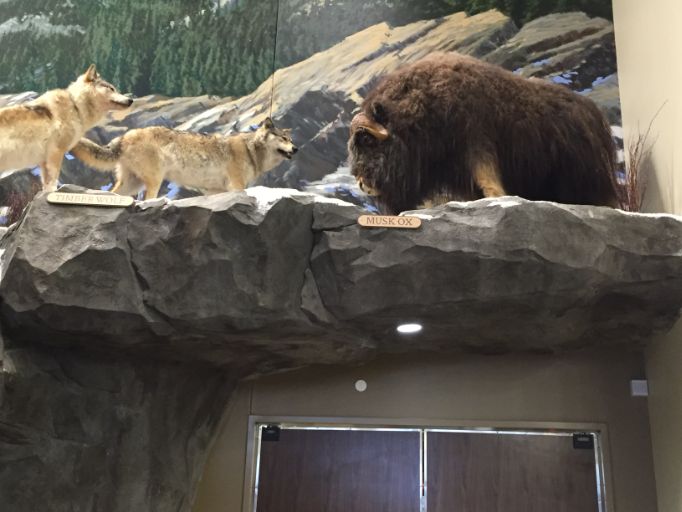
In the evolving world of landscape design, artificial rock contractors play a pivotal role in transforming ordinary outdoor spaces into extraordinary havens of beauty and functionality.. As masters of their craft, these professionals combine artistic vision with technical expertise to create stunning replicas of natural rock formations that are often indistinguishable from the real thing.
Posted by on 2024-07-27
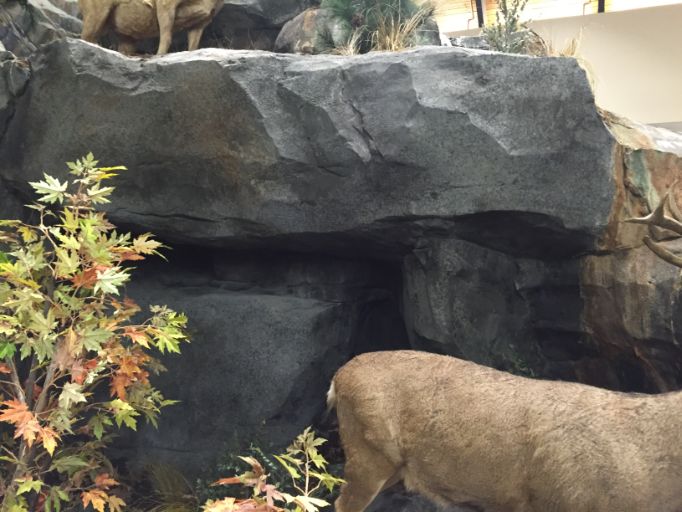
Creating artificial rocks might sound like a task best left to Mother Nature, but in reality, it's an intricate process executed by professional contractors with the utmost precision and creativity.. These fabricated stones serve various purposes—from enhancing landscape designs to providing functional elements in theme parks, zoos, and aquariums.
Posted by on 2024-07-27
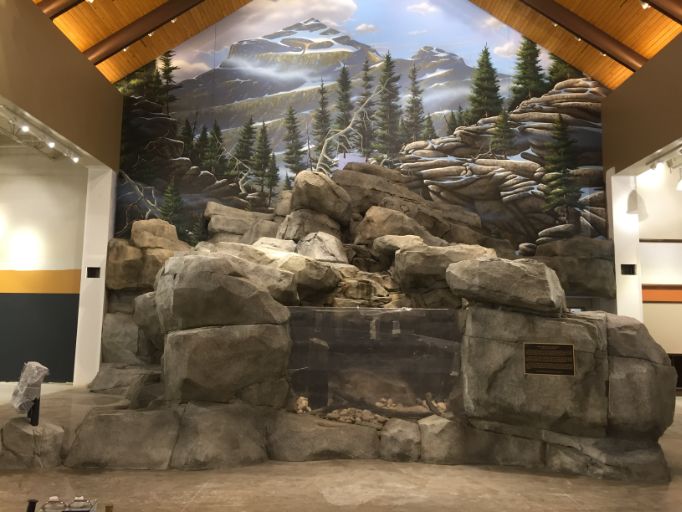
Hiring an artificial rock contractor for your project is a multifaceted process that involves careful consideration and meticulous planning.. Whether you are aiming to enhance the aesthetics of your backyard, create a unique water feature, or construct a themed environment for commercial purposes, selecting the right professional is crucial to achieving your vision.
Posted by on 2024-07-27
Detailing artificial rocks is an intricate process that involves a blend of artistry and technical skill. The final product must convincingly replicate the natural nuances found in real stones, which requires careful attention to both coloring and detailing methods. This essay delves into the tools and materials essential for achieving lifelike finishes on artificial rocks.
One of the primary tools used in this endeavor is an airbrush. An airbrush provides precision and control, allowing artists to apply gradients, shadows, and highlights with subtlety. This tool is particularly useful for creating natural-looking color variations that mimic those found in genuine rock formations. Alongside airbrushes, traditional paintbrushes are indispensable; they are essential for detailed work such as accentuating cracks or adding fine textures.
The choice of paints is crucial when it comes to achieving realistic results. Acrylic paints are a popular option due to their versatility and durability. They adhere well to various surfaces and can be easily blended to create a spectrum of hues reminiscent of natural stone colors. Additionally, weather-resistant pigments ensure that outdoor installations maintain their appearance over time despite exposure to elements.
For texturing artificial rocks, several materials come into play. Sculpting tools made from metal or plastic help carve out grooves and crevices, giving depth and dimension to the surface. Sponges are another vital tool; when dabbed against wet paint or plaster, they create irregular patterns that closely resemble the roughness of real stone surfaces.
Plaster or concrete mixes often serve as the foundational material for constructing artificial rocks. These substances can be molded into various shapes before hardening into solid forms that provide a sturdy base for further detailing work. Once set, these bases offer a canvas onto which other materials like epoxy putty can be applied for additional texture refinement.
To enhance realism further, additives such as sand or crushed stone might be mixed into surface coatings. These aggregates add grainy textures akin to those seen in natures own creations. Moreover, sealants play a dual role: they not only protect painted surfaces from wear but also add a slight sheen that enhances color depth and brings out finer details in the texturing work.
In summary, detailing artificial rocks involves a harmonious combination of specialized tools and carefully selected materials aimed at replicating natures intricacies with fidelity. Airbrushes allow for precise color application while sculpting tools enable meticulous texturing efforts. The use of acrylic paints ensures vibrant yet durable finishes suitable for various environments whereas additives like sand contribute authentic tactile qualities to the faux stone creations.
Ultimately, mastering these techniques demands both artistic sensibility and practical know-howa delicate balance that transforms simple constructs into convincing representations of natures rugged beauty.
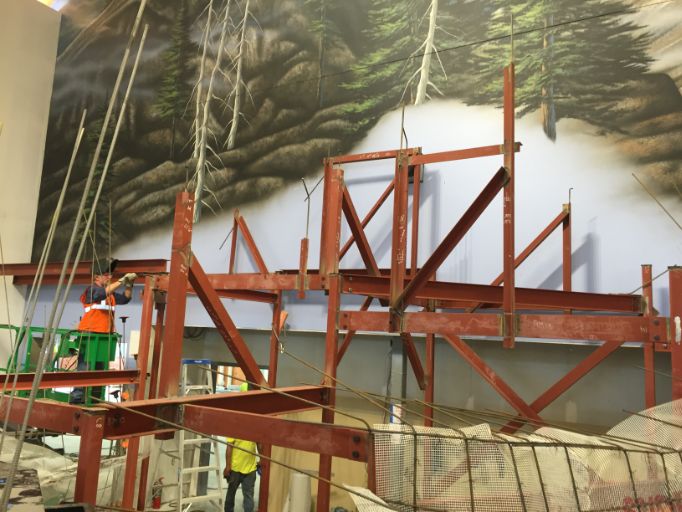
When it comes to the art of coloring and detailing, a step-by-step process can transform even the simplest sketches into vivid masterpieces. Whether you're an aspiring artist or a seasoned professional, understanding how to methodically apply colors and textures is crucial for enhancing your work's depth and realism.
The journey begins with selecting a suitable medium. Different mediums such as watercolors, acrylics, colored pencils, or digital tools each bring their unique qualities to the table. For traditional mediums like watercolors or acrylics, you need to consider the type of paper or canvas that will best complement your chosen paints. Digital artists need to focus on software that offers versatile brushes and layering options.
Once you've gathered your materials, start by planning out your color scheme. A well-thought-out palette ensures harmony throughout your piece while helping convey mood and atmosphere. Use references if needed; nature often provides the most compelling color combinations.
With your colors selected, begin with an underpainting or base layer. This initial layer sets the tone for the entire artwork and provides a foundation upon which all other details will be built. For instance, in watercolor painting, this stage involves lightly washing broad areas with diluted paint to establish ground tones without delving into specifics.
Next comes the layering of mid-tones and shadows. Pay close attention to light sources within your composition; they guide where shadows fall and highlights gleam. Building these layers gradually allows for smoother transitions between shades and more control over intensitykey elements in achieving realism.
As you progress, texture becomes integral in adding life to your artwork. Techniques vary depending on the medium: stippling for intricate detail with ink pens; dry brushing in acrylics for rough surfaces; blending stumps with colored pencils for soft gradients; or custom brushes in digital art mimicking real-world textures like fur or wood grain.
Details are what ultimately elevate your piece from good to greatthey require patience but are worth every moment spent. Using fine-tipped tools or smaller brush sizes helps refine edges and introduce minute elements such as individual hairs in fur or veins in leaves.
Finally, take a step back from your work periodically. Viewing it from different angles or distances can reveal inconsistencies not noticeable up closea vital part of self-critiquing before considering any piece complete.
In conclusion, mastering coloring and detailing methods involves careful selection of materials, thoughtful planning of color schemes, meticulous application through layering techniques, attentive creation of textures, detailed refining touchesand most importantlyan ongoing practice that hones observational skills alongside technical proficiency.
Creating a masterpiece that feels alive and vibrant often hinges on the ability to render natural-looking details. Whether you're working with paints, pencils, or digital tools, achieving realism in your coloring and detailing methods requires both technique and an eye for subtleties. Here are some tips to help you achieve those lifelike finishes that make your work stand out.
First and foremost, observation is key. Spend time studying real-life objects related to what you're drawing or painting. Notice how light interacts with surfaces, how shadows fall, and the tiny nuances in color variations. For instance, if you're illustrating a leaf, take note of the intricate vein patterns, the way light filters through it at different angles, and the slight color changes from stem to edge. The more you understand these subtleties in nature, the better you'll be able to replicate them in your artwork.
When it comes to coloring methods, layering is your best friend. Start with a base layer of color and gradually build up tones. This approach mimics how colors appear in real life; rarely do we see pure hues without any variation or depth. Use light strokes or transparent washes to add layers of color slowly. This technique not only adds dimension but also creates a richer palette that's closer to what you'd find in nature.
Blending is another crucial technique for achieving natural details. Hard edges can make an illustration look flat and unrealistic unless they are intentionally used for stylistic purposes. Experiment with blending toolslike soft brushes for digital art or blending stumps for traditional mediato soften transitions between colors and shades. Remember that smooth gradients often appear more organic than abrupt shifts in tone.
Texture plays a significant role as well. Different materials have distinct texturesskin has pores; wood has grain; rocks have rough surfacesand capturing these can elevate your work from good to extraordinary. Utilize various techniques such as stippling for rough textures or cross-hatching for more linear ones when using pencils or pens. In digital art programs, explore texture brushes that mimic these effects.
Another tip involves using references wiselynot just photos but also physical objects when possible. Having a 3D object under varied lighting conditions can provide insights that flat images can't convey fully.
Color theory should also be considered carefully when aiming for realism. Understand warm versus cool colors and how they interact; this knowledge will help you portray depth more effectively by using cooler tones for shadows and warmer tones where light hits directly.
Finally, don't underestimate the power of subtlety in detailing methods like highlights and reflectionswhich are often where beginners tend either overdo or overlook entirelyshould be applied sparingly yet thoughtfully so they enhance rather than distract from overall realism.
In summary: observe closely; layer colors gradually; blend seamlessly; capture appropriate textures via specific techniques; utilize multiple types of references including physical ones whenever feasible; apply principles rooted within color theory judiciously while keeping highlight applications restrained yet effectiveall contributing towards crafting an artwork brimming full vitality true-to-life accuracy!
Case studies offer a window into the world of successful projects by leading contractors, revealing the innovative techniques and methods that set them apart. In the realm of coloring and detailing, these projects exemplify how skilled craftsmanship coupled with creative problem-solving can transform spaces.
Consider the vibrant murals gracing urban landscapes. One such project, led by renowned contractor John Smith & Co., transformed a dreary city block into a lively art destination. The team employed advanced airbrushing techniques to achieve gradient effects, creating depth and movement on flat surfaces. They meticulously chose weather-resistant paints to ensure longevity in harsh outdoor conditions. This attention to detail not only enhanced aesthetic appeal but also demonstrated an understanding of practical challenges.
In another case, Taylor Construction revamped an old library using intricate wood staining methods. The project aimed to preserve the historical essence while introducing contemporary elements. By layering different stains and finishes, they achieved a rich patina that highlighted the woods natural grain patterns. Detailed hand-carving work added an extra layer of sophistication, blending seamlessly with modern fixtures. Their approach underscored how traditional craftsmanship could coexist harmoniously with modern design principles.
On a smaller scale but equally impressive was Green Builders work on a boutique hotel interior. The team focused on custom wall treatments using eco-friendly materials like clay-based paints and reclaimed wood for accents. They employed stenciling techniques for detailed patterns, bringing unique textures to each room without overwhelming the space. This project illustrated how environmentally conscious choices could marry aesthetics with sustainability, setting new standards in green building practices.
These case studies highlight more than just technical prowess; they showcase how leading contractors combine artistry with innovation to achieve remarkable results. Whether its through precision airbrushing in public art or meticulous wood staining in heritage buildings, these projects demonstrate that success lies in mastering both broad strokes and fine details.
Ultimately, what sets these contractors apart is their commitment to pushing boundaries while respecting the foundational principles of their craft. Through thoughtful application of coloring and detailing methods, they create environments that tell stories and evoke emotionstransforming ordinary spaces into extraordinary experiences.
The aesthetic appeal of colored and detailed artificial rocks is undeniable. From theme parks to aquariums, and from backyard landscapes to indoor décor, these fabricated wonders add a touch of natural beauty with a twist of creativity. However, maintaining their vibrant appearance over time requires careful consideration of both coloring and detailing methods.
When it comes to coloring artificial rocks, the choice of materials plays a pivotal role. High-quality pigments are essential for ensuring longevity. These pigments should be UV-resistant to prevent fading under sunlight exposure. For outdoor applications, weatherproof paints can withstand the elements better than standard paints, resisting rain, wind, and temperature fluctuations. Water-based acrylics are often preferred due to their versatility and ease of application; they adhere well to various substrates like fiberglass or concrete.
Detailing methods further enhance the realism and durability of artificial rocks. Texturing techniques such as stippling or dry brushing can create intricate patterns that mimic natural rock surfaces. The use of sealants post-painting is another critical step in preserving these details. Sealants act as a protective barrier against environmental wear-and-tear as well as human interaction, such as touching or climbing.
One innovative method gaining traction is hydrographic printing, also known as water transfer printing. This technique allows for highly detailed images to be transferred onto three-dimensional surfaces using water displacement technology. Its particularly effective for achieving complex patterns like those found in granite or sandstone without compromising on detail integrity over time.
For maintenance, periodic cleaning is crucial but must be done cautiously to avoid stripping away colors and details. Gentle washing with mild soap solutions can remove dust and grime without damaging the protective sealant layer. Avoid abrasive cleaners which could scratch or dull the surface finish.
In addition to regular cleaning, occasional re-sealing might be necessary depending on environmental conditions and usage intensity. Reapplying sealant ensures that the underlying paint remains shielded from harmful UV rays and moisture infiltration.
Ultimately, the combination of high-quality pigments, meticulous detailing techniques, and diligent maintenance practices can significantly extend the lifespan of colored and detailed artificial rocks. By investing in superior materials initially and adhering to proper upkeep routines, one can enjoy these artistic creations in their full splendor for many years.
In conclusion, achieving long-lasting vibrancy in artificial rocks involves more than just an initial splash of colorits an ongoing commitment to quality craftsmanship and proactive maintenance strategies that preserve both aesthetics and functionality over time.