The Process and Techniques of Artificial Rock Construction
Posted by on 2024-07-27
The Process and Techniques of Artificial Rock Construction
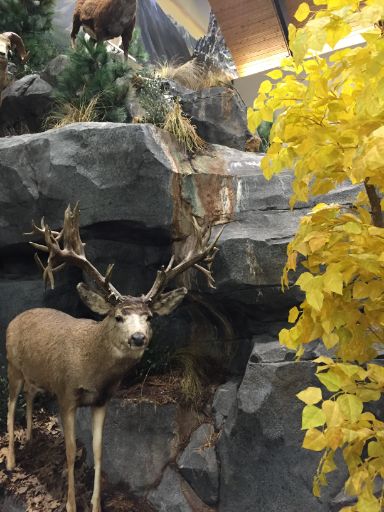
In our increasingly urbanized world, the desire to bring elements of nature into our everyday environments has led to remarkable innovations. Among these is the fascinating field of artificial rock construction. This process involves creating man-made rocks that mimic the appearance and texture of natural stone, providing aesthetic and functional benefits for both public spaces and private properties.
Artificial rock construction is a blend of art and science, requiring a keen understanding of geology, design principles, and construction techniques. The journey begins with an initial assessment where designers evaluate the intended location for the artificial rocks. Factors such as climate, soil type, surrounding vegetation, and overall landscape design are considered to ensure that the artificial structures will seamlessly integrate with their environment.
Once planning is complete, the actual creation process can begin. One common technique used in this field is sculpting over a structural framework. The framework can be made from metal rebar or mesh wire shaped into the desired form. This skeleton provides stability and ensures that the final structure will be durable.
Next comes one of the most critical steps: applying layers of concrete or other suitable materials over the framework. This phase requires skillful hands because it’s essential to create textures that closely resemble those found in nature—think craggy surfaces, fissures, and subtle variations in color. Artists often use tools like brushes, trowels, and even their hands to shape these details meticulously.
Coloring is another crucial aspect in making artificial rocks look convincingly real. Various staining techniques are employed to achieve natural hues found in different types of stone—granite grays, sandstone reds, limestone whites—all applied layer by layer to build depth and authenticity. Some artisans also incorporate pigments directly into their concrete mix for added realism.
Moreover, modern advancements have introduced lightweight alternatives such as fiberglass-reinforced polymer (FRP) which offers flexibility without compromising on durability or aesthetic quality. These materials are particularly favored in projects where weight considerations are paramount—for instance on rooftops or balconies where traditional heavy stones would be impractical.
Integration with natural elements further enhances realism; plants like mosses or small shrubs might be strategically placed around or even within crevices created during sculpting stages adding life-like touches impossible through mere material alone.
Maintenance plays an important role too ensuring longevity especially when exposed harsh weather conditions regular inspection cleaning minor repairs necessary keeping them pristine condition years come thus blending harmoniously surroundings bringing slice wilderness closer home urban landscapes alike transforming mundane environs tranquil retreats captivating vistas appreciated generations forth
Perhaps most compelling aspect lies emotional connection forged between people spaces inhabit whether serene backyard oasis bustling city park reminds us beauty resilience nature capable human ingenuity truly limitless
In our increasingly urbanized world, the desire to bring elements of nature into our everyday environments has led to remarkable innovations. Among these is the fascinating field of artificial rock construction. This process involves creating man-made rocks that mimic the appearance and texture of natural stone, providing aesthetic and functional benefits for both public spaces and private properties.
Artificial rock construction is a blend of art and science, requiring a keen understanding of geology, design principles, and construction techniques. The journey begins with an initial assessment where designers evaluate the intended location for the artificial rocks. Factors such as climate, soil type, surrounding vegetation, and overall landscape design are considered to ensure that the artificial structures will seamlessly integrate with their environment.
Once planning is complete, the actual creation process can begin. One common technique used in this field is sculpting over a structural framework. The framework can be made from metal rebar or mesh wire shaped into the desired form. This skeleton provides stability and ensures that the final structure will be durable.
Next comes one of the most critical steps: applying layers of concrete or other suitable materials over the framework. This phase requires skillful hands because it’s essential to create textures that closely resemble those found in nature—think craggy surfaces, fissures, and subtle variations in color. Artists often use tools like brushes, trowels, and even their hands to shape these details meticulously.
Coloring is another crucial aspect in making artificial rocks look convincingly real. Various staining techniques are employed to achieve natural hues found in different types of stone—granite grays, sandstone reds, limestone whites—all applied layer by layer to build depth and authenticity. Some artisans also incorporate pigments directly into their concrete mix for added realism.
Moreover, modern advancements have introduced lightweight alternatives such as fiberglass-reinforced polymer (FRP) which offers flexibility without compromising on durability or aesthetic quality. These materials are particularly favored in projects where weight considerations are paramount—for instance on rooftops or balconies where traditional heavy stones would be impractical.
Integration with natural elements further enhances realism; plants like mosses or small shrubs might be strategically placed around or even within crevices created during sculpting stages adding life-like touches impossible through mere material alone.
Maintenance plays an important role too ensuring longevity especially when exposed harsh weather conditions regular inspection cleaning minor repairs necessary keeping them pristine condition years come thus blending harmoniously surroundings bringing slice wilderness closer home urban landscapes alike transforming mundane environs tranquil retreats captivating vistas appreciated generations forth
Perhaps most compelling aspect lies emotional connection forged between people spaces inhabit whether serene backyard oasis bustling city park reminds us beauty resilience nature capable human ingenuity truly limitless